




The instinct for novelty is noticeable in every B2B marketer – a helpful instinct, until it starts to detract from the basics. With an influx of new MarTech features and software – agentic AI, hyper-personalisation, AI-native CDPs – it’s easy to overlook the fundamentals that got us here.
Which brings us to customer personas.
To many, they’re either too static, don’t really reflect audience thought or behaviour, or have been over-engineered to the point of self-parody.
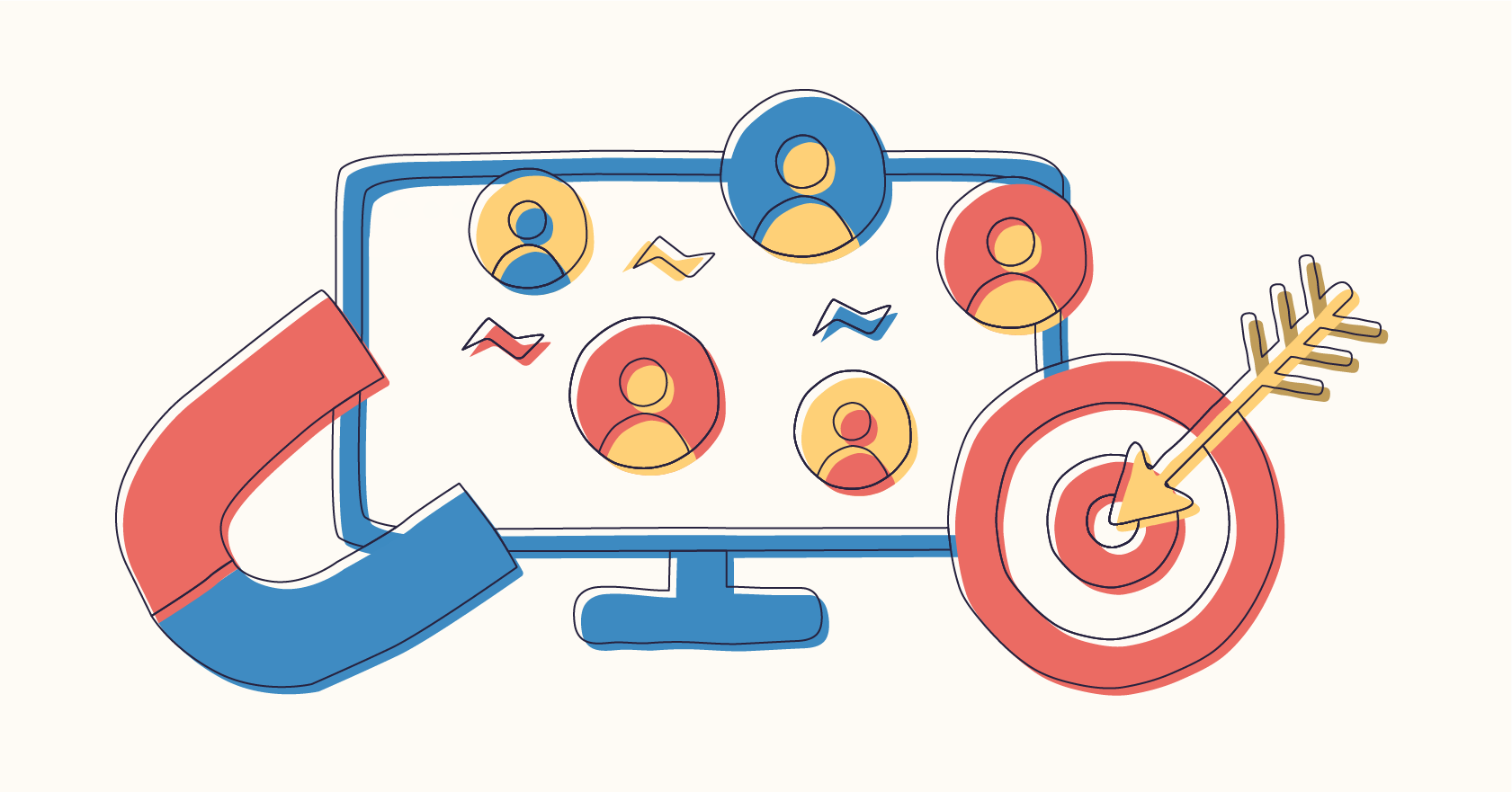
But when crafted properly and with intention, customer personas help you find meaning in otherwise disparate marketing, sales and operations efforts. It can also offer a behavioural baseline for predicting how someone might actually respond to your brand.
So, they still work. It’s likely they always will. It’s just that, sometimes, they’re underdeveloped or underused. Here’s why they still matter.
1. Data tells you “what”, personas tell you “why”
Data and personas aren’t the same thing – the former spots a pattern, but the latter gives you the logic behind it.
Picture a company whose dashboard shows users dropping off at the same step in a sign-up form, every time. The data shows the drop-off, which is useful to a point. But factoring in a persona means you can make an educated guess about that user’s day (three other vendor demos booked, thirty minutes between meetings, patience already spent) to explain why.
Almost every business has access to reams of customer data, hence the growing ranks of marketing analysts and CRM specialists, but with a customer persona locked in place, brought together from multiple sources, you can get a more precise read on their motivations and needs.
Without this level of understanding, some decisions might end up being based on hunches or surface-level trends – decisions that treat symptoms over causes.
2. Marketing to everyone is marketing to no-one
One common problem in marketing is trying to say too much to too many people. Unless you’ve got a clear idea of who you’re speaking to, your messaging can end up being diluted, full of generic claims and not really making any impact with the people you need to reach.
So rather than the high-volume, spray-and-pray content some brands rely on, customer personas guide you to what your audience cares about: namely, content that speaks to pain points and stays on-topic, instead of a collection of disjointed messages that don’t resonate with anyone in particular.
3. Same hymn sheet for sales, marketing and ops
Personas provide a shared reference point for tone, language and key messaging, so everyone involved is working from the same understanding of your target audience. The intent isn’t just to attract people — whether on a website, a landing page or in their inbox — but to make sure they stay once they’ve arrived.
The personalisation personas enable also pays dividends later. Researching ahead of time sharpens campaign targeting and allows you to be much more precise, so any leads that make it to your sales teams’ call list arrive further along in the journey, and are usually better qualified.
4. They help you find gaps
Good customer personas can nod towards opportunities you might otherwise have missed. There’s likely an under-served segment of your audience – maybe a procurement lead who’s been deprioritised in favour of the decision-maker at the end of the line – when realistically, the PL has to sign off long before a deal moves anywhere near the decision-makers desk.
Personas show where messaging is out of sync with what people need, and with how buying chains are structured. Rather than splitting attention across multiple people at once, anchoring real-life roles to dedicated personas gives you a clear idea of who to target, when, and why, from the outset.
A gulf can open up between your brand positioning and prospect needs if the two aren’t working in tandem. With some tweaks to your personas, you can close that gap before it costs you the account.
5. Keeping B2B human
You might have sales teams and customer service reps gathering feedback day to day, but you won’t always get what you need from a CRM field or support ticket. Unless you’re running a corner shop, you can’t speak to every customer directly.
So the regular, human, “customer” perspective a persona gives you, even if it’s constructed, is a valuable corrective. In B2B, this human element often gets mistranslated into technical and abstract. Personas bring things back to basics and remind you that you’re communicating with people rather than job titles.
The personalisation of personas is a huge benefit, too. A little groundwork at the outset – understanding who you’re actually speaking to – pays dividends if campaigns and outreach are much more targeted and precise. Leads arrive further along in the process, already primed by well-thought-out messaging.
Making marketing resonate with real people
Customer personas aren’t a relic of old-school marketing. Far from it. They underpin the entire customer journey from first touchpoint to renewal – and in an era of depersonalised, AI-generated marketing, it’s more important than ever to keep a real end-user at the forefront of your mind.
Personas are a small but important reminder that, while we operate in a digital world, we’re still talking to human beings. Even more so in B2B, where sales cycles run long and the same persona needs to hold up across months of touchpoints as opposed to a single campaign.
Your future buyers are human. In B2B, where sales cycles stretch over months and involve multiple stakeholders, that’s sometimes forgotten. But with well-crafted personas on hand to brief a sales call or shape a pitch deck, you’ll meet the buyer exactly where they are in the journey.
We work closely with businesses to develop targeted customer personas that inform everything from content strategy and messaging to marketing campaigns and channel selection. We’re always up for a chat, too, so if you want to find out more about what we can do for your business, just get in touch and let’s talk. help you make the right call. You can take a look at previous examples of both types of project here or get in touch with us for more information.